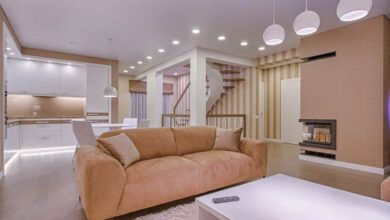
The old adage “you never get a second chance to make a first impression” rings especially true in real estate. When potential buyers walk through a property for the first time, they’re not just evaluating square footage and structural integrity. They’re envisioning their future life within those walls, and aesthetics play a crucial role in that emotional connection.
The Psychology of Home Design
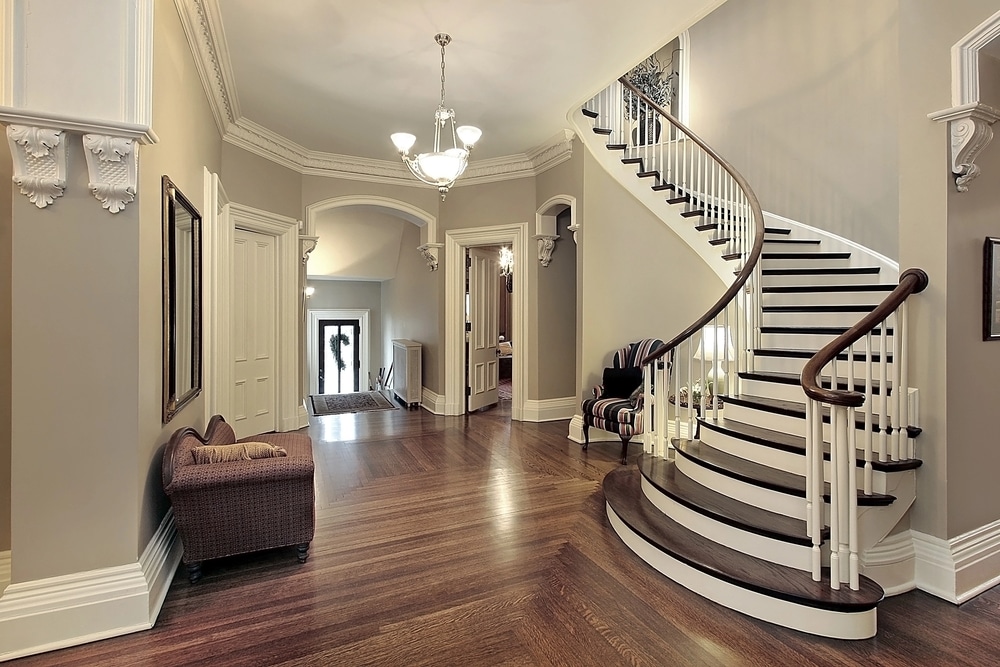
Human beings are visual creatures, and we make snap judgments based on what we see. Within the first few seconds of entering a home, buyers have already formed opinions that can be difficult to change. A well-designed space with thoughtful aesthetic choices creates an atmosphere of warmth, sophistication, and livability. This emotional response often outweighs purely practical considerations, especially in competitive markets where multiple properties might meet a buyer’s functional needs.
The colors on the walls, the flow of natural light, the quality of finishes, and even the way furniture is arranged all contribute to a narrative about the lifestyle that home can provide. Buyers aren’t just purchasing property; they’re buying into a vision of how they want to live.
Creating Value Through Visual Appeal
From a seller’s perspective, investing in home aesthetics isn’t merely about vanity. It’s a strategic financial decision. Properties that present well consistently command higher prices and spend less time on the market. Professional staging, fresh paint in neutral tones, updated fixtures, and well-maintained landscaping can yield returns that far exceed their initial cost.
When working with luxury properties, such as those represented by Gurr Luxury Properties, the aesthetic standards are even higher. High-end buyers expect a certain level of sophistication and attention to detail. Every element, from the hardware on cabinets to the lighting fixtures, contributes to the overall impression of quality and value.
The Digital First Impression
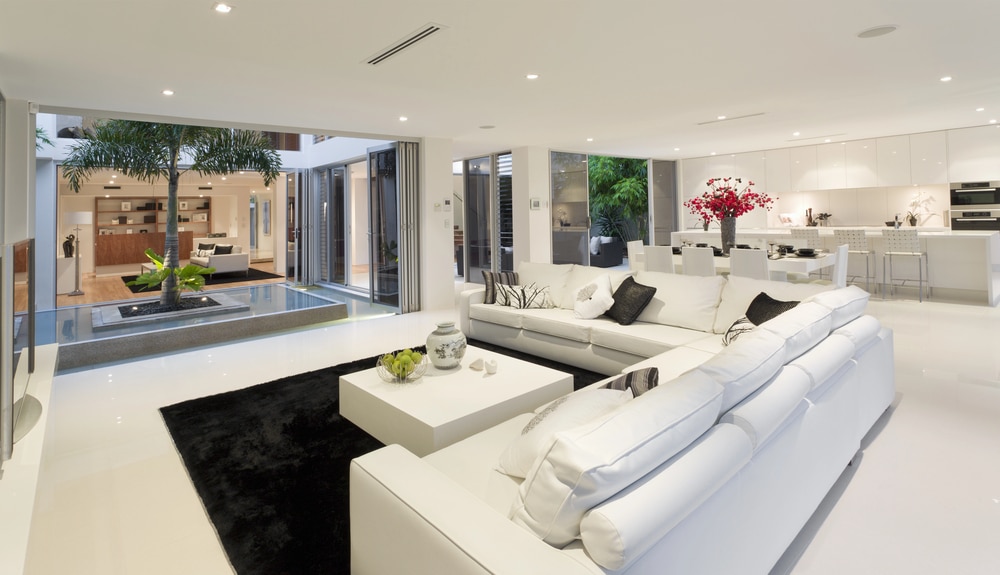
In today’s market, most home searches begin online. Professional photography and virtual tours mean that aesthetics matter before buyers ever set foot in the property. A home that photographs well generates more interest, more showings, and ultimately more competitive offers. Poor aesthetics can result in a property being scrolled past without a second thought, regardless of its other merits.
Sellers who understand this reality take the time to declutter, depersonalize, and optimize their spaces for both in-person and digital viewing. This might mean removing family photos, minimizing personal collections, and creating clean, open spaces that allow potential buyers to imagine themselves in the home.
The Role of Timeless Design
While following trends can be tempting, the most successful properties from an investment standpoint tend to feature timeless aesthetic choices. Classic design elements age gracefully and appeal to a broader range of buyers. Overly trendy choices can date a property quickly, potentially limiting its appeal and requiring costly updates down the line.
This doesn’t mean homes should be boring or lack personality. Rather, it suggests that foundational aesthetic choices like flooring, cabinetry, and architectural details should lean toward classic elegance, while personality can be expressed through more easily changeable elements.
Making Your Move
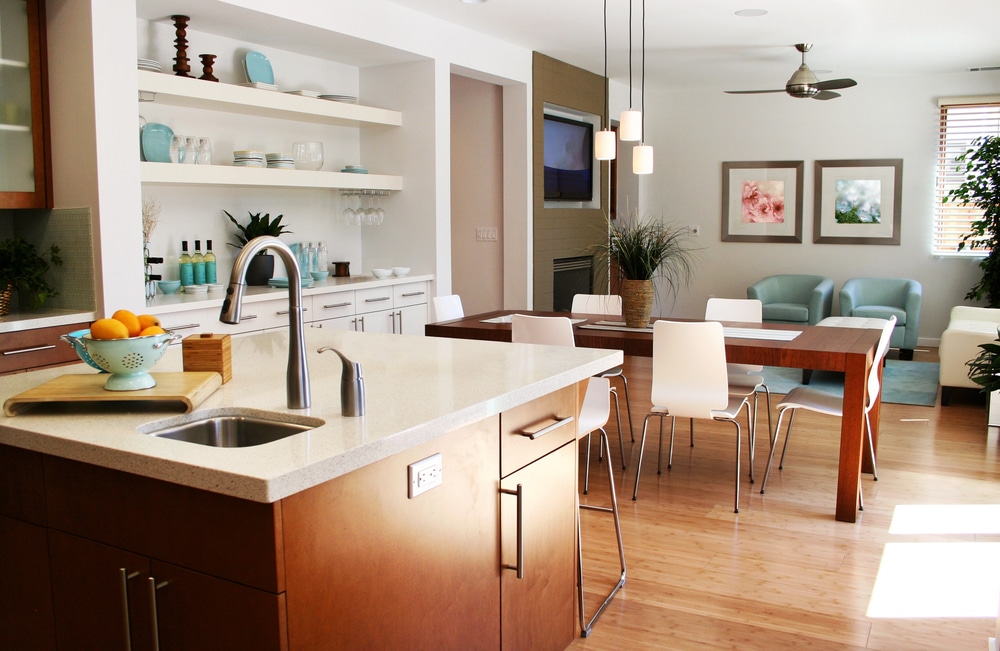
Whether you’re buying or selling, recognizing the importance of home aesthetics gives you a competitive advantage. For sellers, it means preparing a property that will captivate buyers and justify premium pricing. For buyers, it means looking beyond surface aesthetics to identify properties with good bones that can be enhanced to match your vision.
The emotional connection created by beautiful, well-maintained spaces shouldn’t be underestimated. In a market where buyers have choices, aesthetics often make the difference between a property that languishes and one that sells quickly for top dollar. Taking the time to get the visual details right pays dividends in both satisfaction and financial returns.