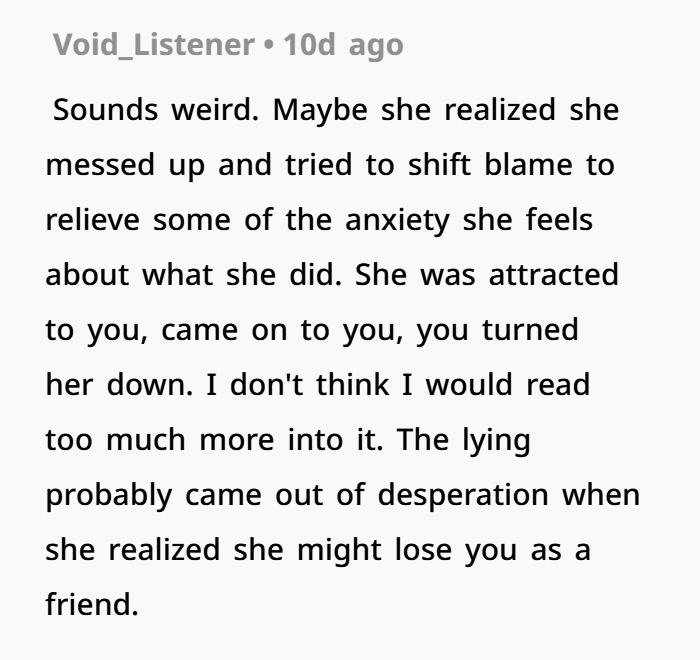
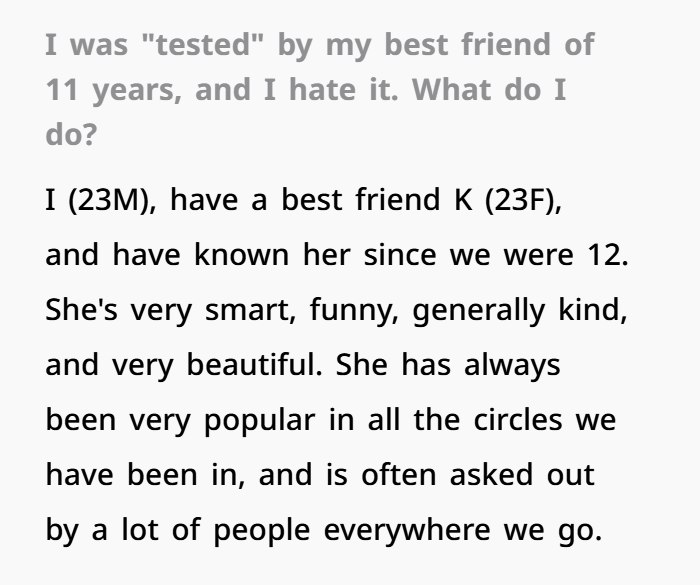
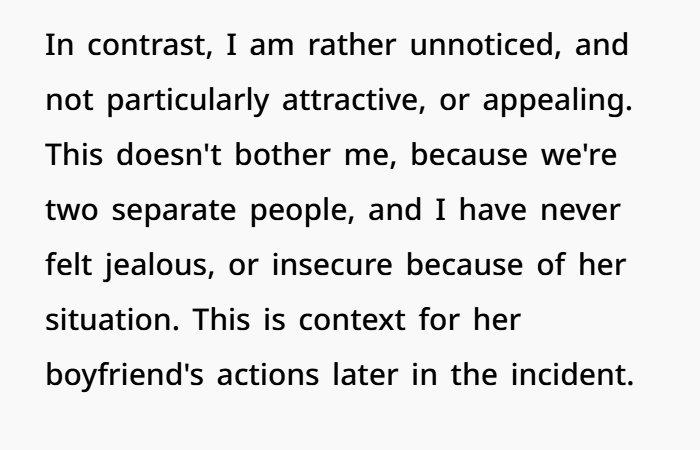
This one cuts deep, because it’s not just about a moment—it’s about 11 years of friendship suddenly feeling fake. A 23-year-old guy finds himself in a situation he never expected: his best friend, someone he’s known since childhood, tries to kiss him out of nowhere. He shuts it down immediately, confused but respectful, assuming maybe it was just a drunken mistake. But the next morning flips everything. She reveals it was all a “test,” set up by her insecure boyfriend to prove that he wasn’t secretly into her. And to make it worse… she’s smiling, proud that he “passed.”
That’s where everything breaks. What should’ve been a safe, trusted friendship suddenly feels manipulative and staged. He’s not just hurt—he feels used, disrespected, and honestly a bit humiliated. Now he’s stuck in that awful in-between space: missing someone who meant a lot to him, but no longer feeling safe or able to trust her. And the big question is hanging there—can a friendship come back from something like this, or was that “test” actually the end?
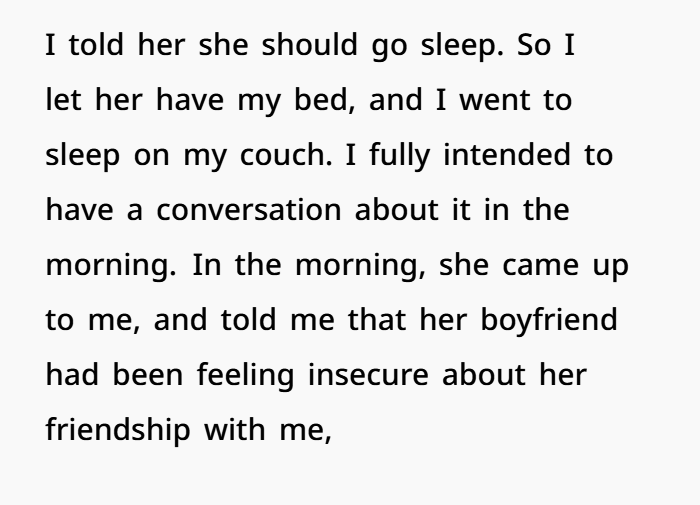
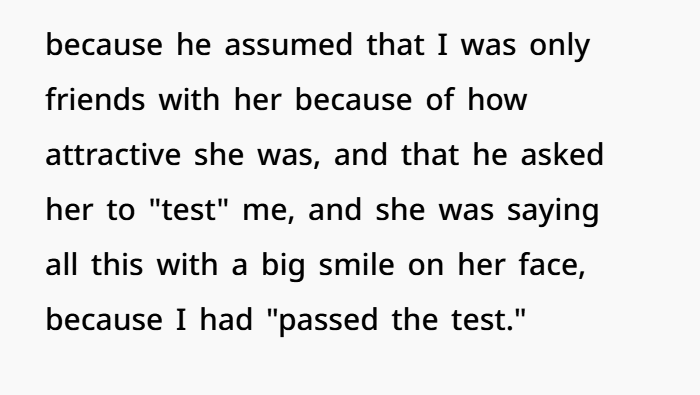
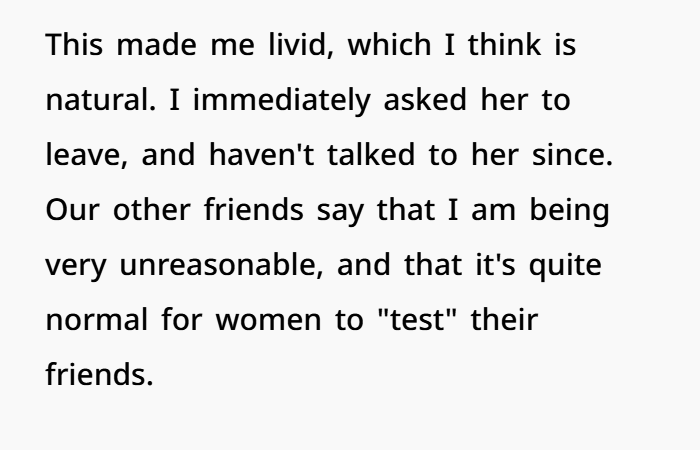
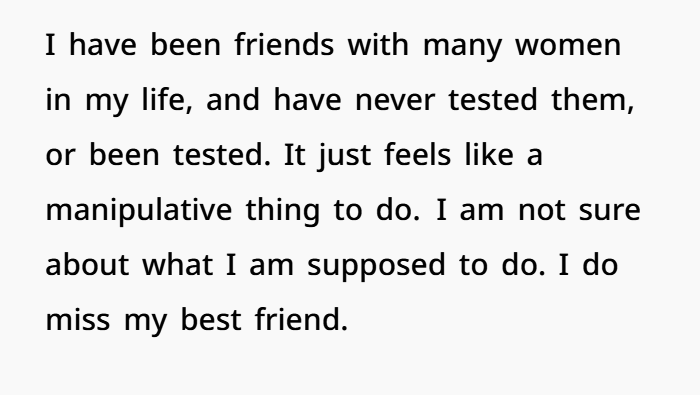
Alright, this situation? It’s not small, and it’s definitely not “normal,” no matter what your friends are saying. What happened here is a mix of emotional manipulation, broken boundaries, and misplaced loyalty—and yeah, it makes total sense that you feel the way you do.
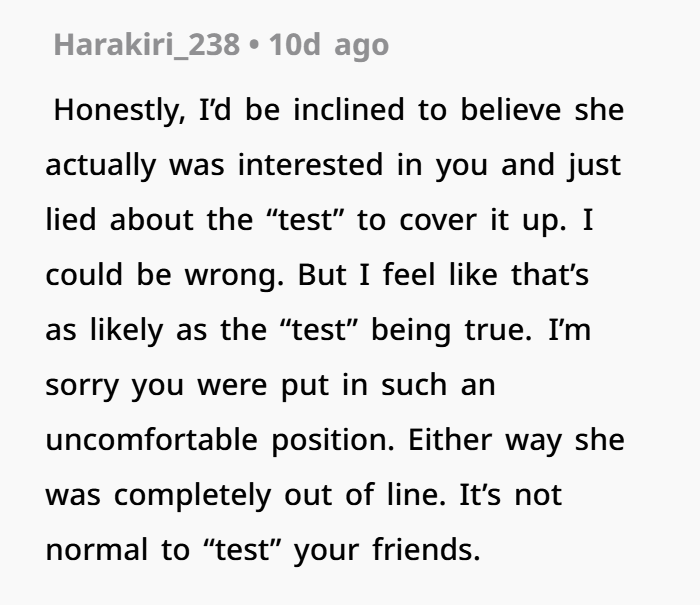
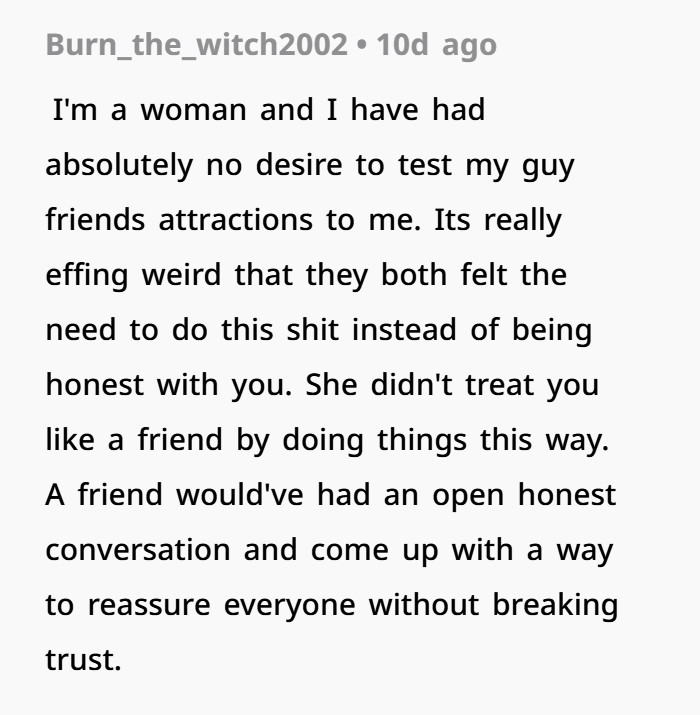
Let’s start with the so-called “test,” because that’s really the core issue. Healthy relationships—whether romantic or platonic—don’t rely on tests. They rely on communication and trust. The moment someone feels the need to “test” another person, it usually means there’s already a lack of trust. But instead of addressing that insecurity directly, your friend and her boyfriend chose to stage a scenario to catch you failing. That’s not fair to you in any way.
And here’s the part people are glossing over: you didn’t consent to being part of that situation. You thought you were just hanging out with your best friend, in a normal, safe environment. Instead, you were unknowingly put into a manufactured situation designed to provoke a specific reaction. That’s what makes it feel so violating. It wasn’t real—it was set up.
Now let’s talk about your friend’s role in this, because that matters more than the boyfriend’s insecurity. J might have suggested the idea, but she’s the one who chose to go through with it. She crossed a boundary in your friendship—physically and emotionally—just to prove a point to someone else. That means, in that moment, she prioritized her boyfriend’s insecurity over your trust.
And the way she told you? Smiling, like it was some kind of success story? That’s honestly what makes it sting even more. Because it shows she didn’t fully understand—or didn’t care—how messed up that situation actually was. To her, it was “cute” or validating. To you, it was a betrayal.
Let’s break down why it feels so heavy.
First, there’s the physical boundary violation. Even though it didn’t go far, she attempted to kiss you without warning, under false pretenses. That alone is enough to make someone uncomfortable. You handled it calmly, respectfully, and appropriately. But the fact that it was staged removes any sense of genuine context—it wasn’t a moment, it was a setup.
Second, there’s the emotional manipulation. You were unknowingly placed in a situation where your actions were being judged, not as a friend, but as a “test subject.” That changes everything. It turns a real friendship into something transactional, like you were being evaluated instead of trusted.
Third, and probably the biggest one: trust erosion. Trust isn’t just about loyalty—it’s about safety. Feeling like you can be yourself around someone without being tested, judged, or set up. That safety got shaken. And once that happens, it’s really hard to just “go back to normal.”
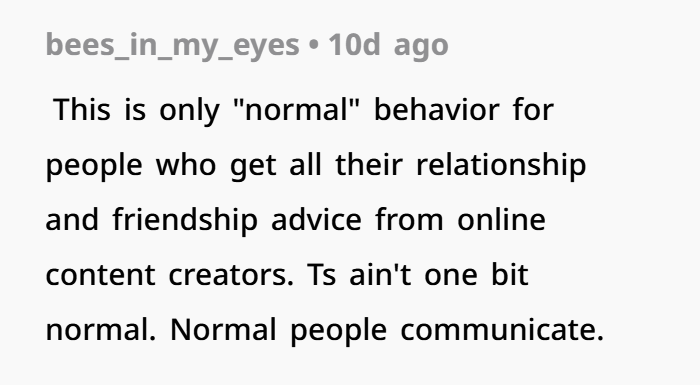
Now, about your friends saying this is normal… it’s really not. Some people do engage in “testing” behavior in relationships, sure—but that doesn’t make it healthy. It’s actually often linked to insecurity and poor communication skills. Instead of asking questions or expressing concerns, people create situations to force answers. And that almost always backfires, just like it did here.
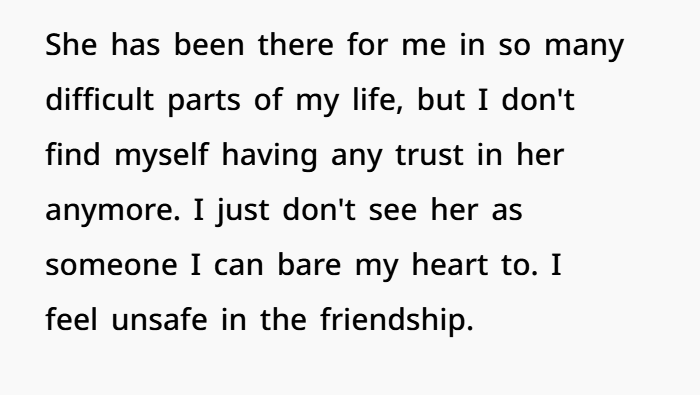
You mentioned that you feel unsafe in the friendship now. That’s important. Because that feeling isn’t random—it’s your brain telling you that something about this dynamic isn’t secure anymore. And you shouldn’t ignore that just because of history.
But at the same time, it’s also completely valid that you miss her. Eleven years is a long time. That’s shared memories, support, probably a lot of moments where she showed up for you. People aren’t just one action—they’re a collection of them. So it makes sense that you’re torn.
The real question isn’t “should you forgive her?” It’s “can trust realistically be rebuilt here?”
And that depends on a few things.
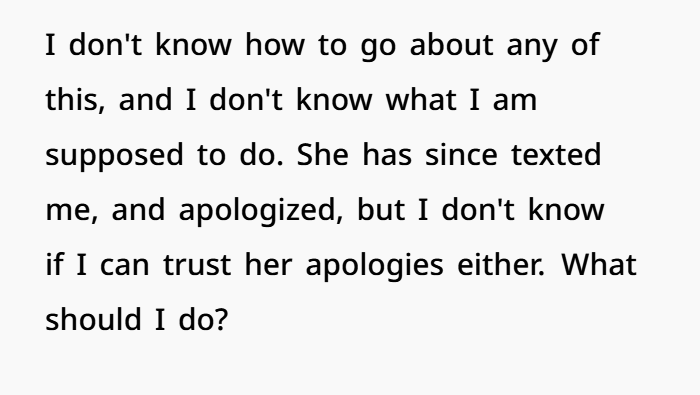
First, accountability. Not just “I’m sorry,” but understanding why what she did was wrong. If her apology is just about smoothing things over or getting back to normal, that’s not enough. She needs to recognize that she put you in a compromising position without your consent and damaged the foundation of your friendship.
Second, boundaries going forward. If you were to continue this friendship, things can’t just go back to how they were. There needs to be a clear understanding that this kind of behavior is not acceptable. No tests, no setups, no involving you in her relationship issues.
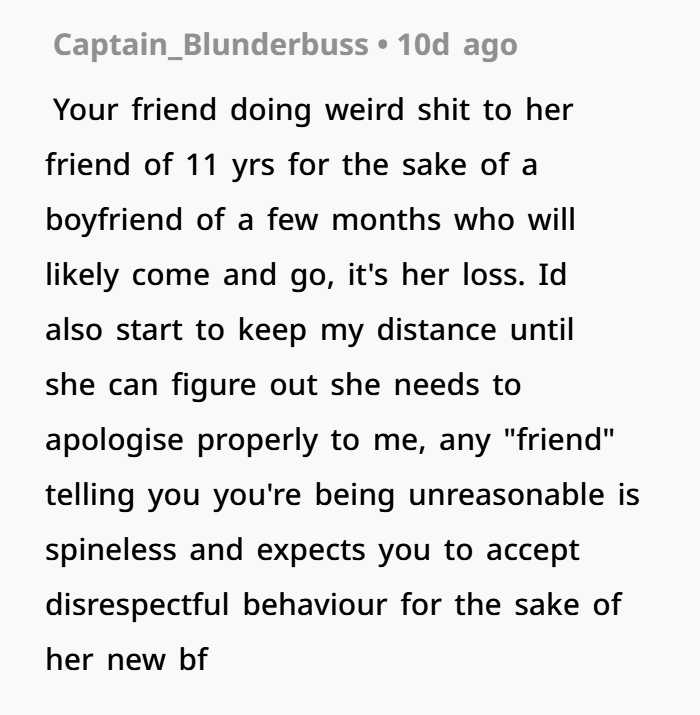
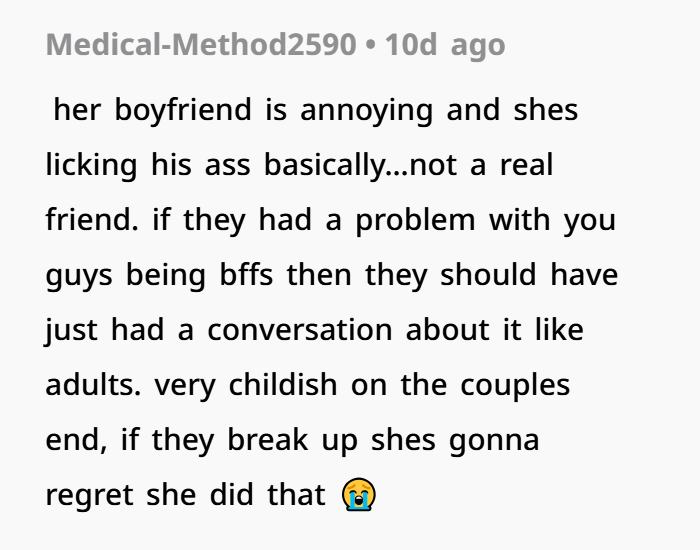
Third, the boyfriend factor. Because let’s be honest—he’s part of this whether you like it or not. If he’s insecure enough to suggest something like this once, that insecurity isn’t just going to disappear. And if she’s willing to act on it, that creates a pattern you might get pulled into again.
Now, what should you do right now?
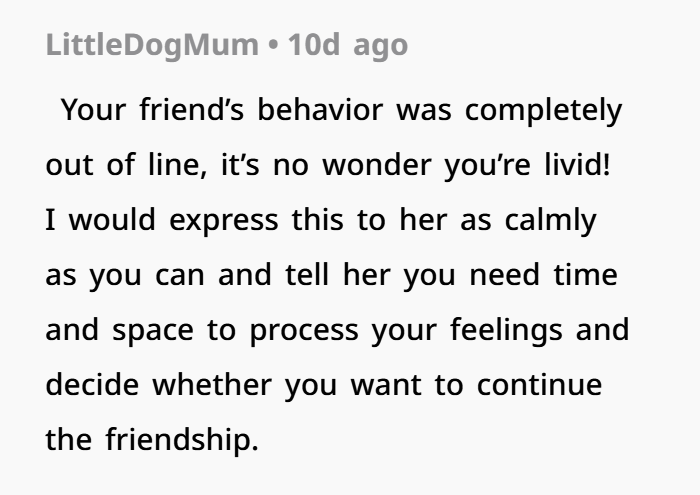
Honestly, taking space was the right move. You needed distance to process, and you set a boundary by asking her to leave. That’s not overreacting—that’s self-respect.
You don’t need to rush a decision. You can take time to figure out whether you even want to try rebuilding this. And if you do, it’s okay to have a conversation where you lay everything out—how it made you feel, why it crossed a line, and what would need to change for you to feel safe again.
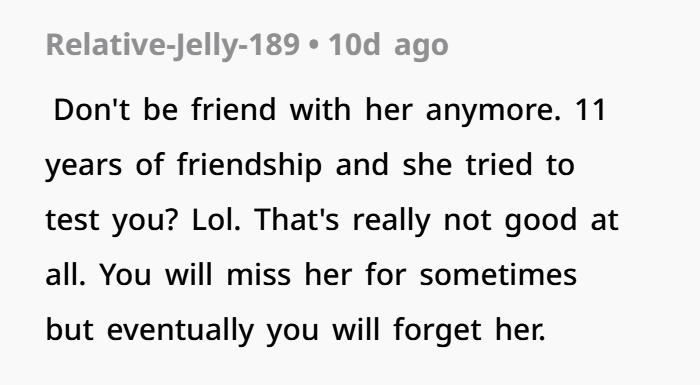
But it’s also okay if you decide that this changed things too much. Not every relationship survives a breach of trust like this, even long ones. And choosing to step back doesn’t erase the good years—it just means you’re recognizing that something fundamental shifted.
One last thing—your reaction? Completely valid. You weren’t being unreasonable, dramatic, or overly sensitive. You were responding to being put in a situation that violated your trust and boundaries.
And honestly? The fact that you’re even questioning yourself shows how much you valued the friendship. But valuing something doesn’t mean you have to accept behavior that hurts you.
At the end of the day, trust isn’t something you prove through tests. It’s something you build by not needing them in the first place.
See The Comments Below