12 Cross Ventilation Setup Ideas for a Cooler, Fresher, and More Comfortable Home

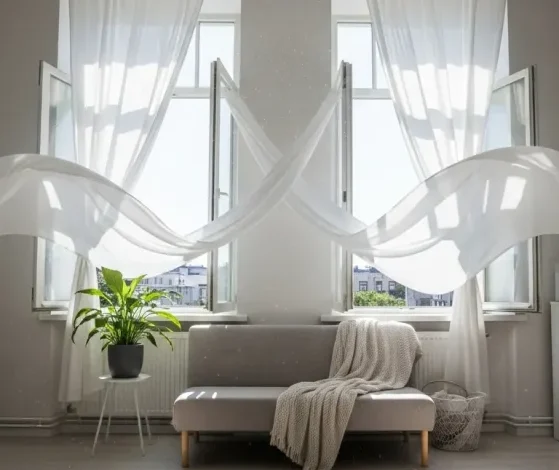
Cross ventilation is one of the most effective and natural ways to keep your home cool and fresh without relying heavily on fans or air conditioning. It works by allowing air to enter from one side of a space and exit from another, creating a continuous flow of fresh air. This not only reduces heat but also improves indoor air quality and overall comfort. With the right setup, you can maximize airflow in every room of your home. Here are 12 cross ventilation setup ideas to help you achieve a breezy and comfortable living space.
1. Opposite Window Placement Setup
The most effective cross ventilation setup is having windows directly opposite each other. When both are opened, air flows straight through the room, pushing hot air out and bringing fresh air in.
2. Diagonal Airflow Arrangement
If opposite windows are not possible, use diagonal placement—open windows at opposite corners of the room to create a natural airflow path.

3. Window and Door Combination
Open a window on one side and a door on the opposite side of the room. This simple setup is very effective for improving airflow in bedrooms and living rooms.

4. Multi-Room Airflow Setup
Keep interior doors open so air can move from one room to another. This creates a full-house ventilation system instead of limiting airflow to a single space.

5. High and Low Vent Placement
Warm air rises, so placing vents or openings higher up while keeping lower openings on the opposite side helps create continuous air movement.

6. Use of Balcony and Window Pairing
If you have a balcony, open the balcony door along with a window on the opposite side of the room to create strong cross ventilation.

7. Kitchen and Window Exhaust Setup
In kitchens, use an exhaust fan near a window to push hot air out while fresh air enters from another opening.

8. Bathroom Ventilation Flow Setup
Bathrooms can trap humidity, so keep a window open while using an exhaust fan to maintain airflow and reduce moisture buildup.

9. Hallway Air Channel Setup
Use hallways as air channels by opening windows at both ends of a corridor to allow smooth airflow through connected rooms.

10. Ceiling Fan Assisted Ventilation
Ceiling fans can help guide airflow direction, enhancing cross ventilation by pushing air toward open exits.

11. Strategic Furniture Placement Setup
Avoid blocking windows with large furniture. Keeping open pathways allows air to circulate freely across the room.

12. Night Cooling Ventilation Setup
Open windows on opposite sides of your home during cooler night hours to flush out daytime heat and bring in fresh air.

Conclusion
Cross ventilation is a simple yet powerful method to naturally cool your home and improve air quality. By properly arranging windows, doors, and airflow paths, you can significantly reduce indoor heat and create a more comfortable environment. These 12 cross ventilation setup ideas will help you design a home that feels fresh, airy, and energy-efficient throughout the year.