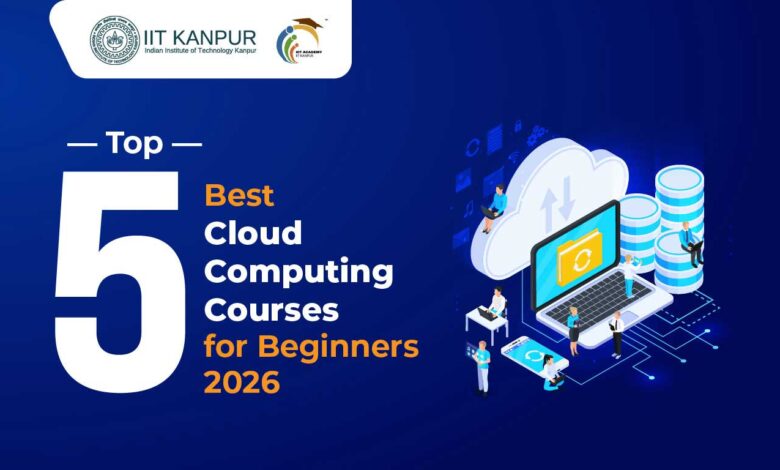
Top Cloud Computing Platforms for Beginners to Learn Online (2026 Guide)
Cloud computing has become one of the most in-demand skills in the tech world. Whether you want to start a career in IT, become a freelancer, or grow your business, learning cloud computing is a smart move. But for beginners, the biggest question is: which platform should you start with?
In this detailed guide, we’ll explore the top cloud computing platforms for beginners to learn online in 2026, their features, benefits, learning resources, and how to choose the right one.
What is a Cloud Computing Platform?
A cloud computing platform is a service that provides computing resources like servers, storage, databases, networking, and software over the internet. Instead of setting up physical hardware, you can use these platforms to build, test, and deploy applications.
For beginners, these platforms also offer:
- Free tiers
- Tutorials and certifications
- Hands-on labs
- Real-world projects
Why Beginners Should Learn Cloud Computing
Before diving into platforms, it’s important to understand why cloud computing is worth learning:
1. High Demand Skills
Cloud professionals are in high demand worldwide.
2. Remote Work Opportunities
You can work from anywhere.
3. Freelancing Potential
Platforms like Fiverr and Upwork have many cloud-related jobs.
4. Career Growth
Roles like Cloud Engineer, DevOps Engineer, and Solutions Architect are highly paid.
Top Cloud Computing Platforms for Beginners
Let’s explore the best platforms you can start learning today.
1. Amazon Web Services (AWS)
AWS is the most popular cloud platform in the world and a great starting point for beginners.
Key Features:
- Wide range of services (EC2, S3, Lambda, etc.)
- Free tier for beginners
- Global infrastructure
Learning Resources:
- AWS Free Tier
- AWS Training and Certification
- Hands-on labs
Pros:
- Industry leader
- Huge community support
- High job demand
Cons:
- Can feel complex at the beginning
- Large number of services may confuse beginners
2. Microsoft Azure
Azure is another powerful cloud platform, especially popular among enterprises.
Key Features:
- Integration with Microsoft tools
- Strong support for hybrid cloud
- Beginner-friendly interface
Learning Resources:
- Microsoft Learn (free tutorials)
- Azure free account
- Certification paths
Pros:
- Easy for Windows users
- Good documentation
- High demand in corporate jobs
Cons:
- Slight learning curve
- Some services are complex
3. Google Cloud Platform (GCP)
GCP is known for its performance, data analytics, and AI capabilities.
Key Features:
- Strong in machine learning and big data
- Simple and clean interface
- Free credits for beginners
Learning Resources:
- Google Cloud Skills Boost
- Qwiklabs
- Free training courses
Pros:
- Beginner-friendly
- Great for data science learners
- Fast performance
Cons:
- Smaller market share than AWS
- Fewer job opportunities compared to AWS/Azure
4. IBM Cloud
IBM Cloud is ideal for beginners interested in enterprise solutions and AI.
Key Features:
- AI and Watson integration
- Hybrid cloud support
- Free tier available
Learning Resources:
- IBM SkillsBuild
- Free labs and courses
Pros:
- Strong AI tools
- Good for enterprise learning
Cons:
- Less popular than top competitors
- Limited community support
5. Oracle Cloud
Oracle Cloud is gaining popularity, especially for database and enterprise applications.
Key Features:
- Strong database services
- Always free tier
- High performance
Learning Resources:
- Oracle University
- Free training programs
Pros:
- Excellent for database learners
- Affordable pricing
Cons:
- Smaller ecosystem
- Limited beginner content
6. Alibaba Cloud
Alibaba Cloud is widely used in Asia and expanding globally.
Key Features:
- Cost-effective services
- Free trial
- Scalable infrastructure
Learning Resources:
- Alibaba Cloud Academy
- Free certifications
Pros:
- Budget-friendly
- Growing market
Cons:
- Less popular in Western countries
- Limited English resources
Best Online Platforms to Learn Cloud Computing
In addition to cloud providers, you can learn through online learning platforms:
1. Coursera
- Offers courses from top universities
- Certifications from Google, AWS, and Microsoft
- Beginner-friendly learning paths
2. Udemy
- Affordable courses
- Lifetime access
- Practical hands-on training
3. edX
- Professional certifications
- University-level courses
4. Pluralsight
- Skill assessments
- Cloud-focused learning paths
5. LinkedIn Learning
- Short courses
- Career-focused training
How to Choose the Right Platform as a Beginner
Choosing the right platform depends on your goals:
1. For Job Seekers
Start with AWS or Azure because they have high demand.
2. For Data Science
Choose Google Cloud Platform.
3. For Budget Learners
Use free tiers and platforms like Udemy.
4. For Enterprise Careers
Learn Azure or IBM Cloud.
Step-by-Step Learning Path for Beginners
Here’s a simple roadmap:
Step 1: Learn Basics
Understand cloud computing concepts (IaaS, PaaS, SaaS).
Step 2: Choose One Platform
Start with AWS, Azure, or GCP.
Step 3: Use Free Tier
Practice using real cloud services.
Step 4: Take Online Courses
Use platforms like Coursera or Udemy.
Step 5: Build Projects
Create small projects like:
- Hosting a website
- Setting up cloud storage
- Deploying an app
Step 6: Get Certified
Earn beginner certifications like:
- AWS Certified Cloud Practitioner
- Azure Fundamentals
- Google Associate Cloud Engineer
Benefits of Learning Cloud Computing in 2026
- High-paying jobs
- Global opportunities
- Freelancing income
- Business scalability
Challenges Beginners May Face
- Too many services to learn
- Technical complexity
- Cost management
- Lack of hands-on practice
Solution: Start small and stay consistent.
Future of Cloud Computing Learning
In 2026 and beyond, cloud computing will integrate more with:
- Artificial Intelligence (AI)
- Machine Learning (ML)
- DevOps and automation
- Cybersecurity
This makes cloud skills even more valuable.
Conclusion
Learning cloud computing is one of the best decisions you can make in 2026. Platforms like Amazon Web Services, Microsoft Azure, and Google Cloud Platform are excellent starting points for beginners.
Alongside these, learning platforms like Coursera and Udemy make it easier than ever to gain practical skills from home.
The key is to start simple, practice regularly, and build real projects. With consistency and the right approach, you can become a cloud computing expert and unlock endless career opportunities.