Fashion Capitals and Fast Cars: The Cultural Link Between Style Cities and Automotive Taste

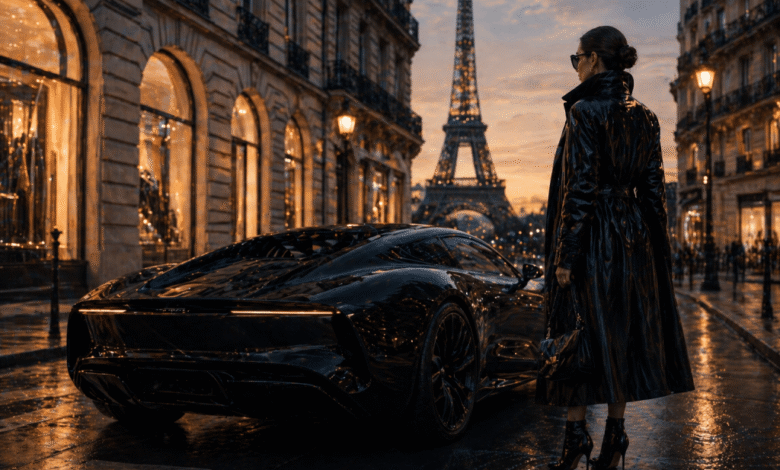
Cars have always reflected more than engineering trends. They reflect culture, and in particular, the cities that shape taste. Just as fashion capitals set global standards for clothing and design, they also quietly influence how people think about cars—what looks desirable, what feels modern, and what signals status without needing explanation.
In places like Paris, Milan, London, and Tokyo, automotive preference is rarely just about performance figures. It is about proportion, restraint, expression, and how a vehicle fits into a broader visual identity shaped by fashion, architecture, and urban rhythm.
Understanding these cities reveals something interesting: automotive taste is not universal. It is regional, aesthetic, and deeply cultural.
Paris: Elegance, Subtlety, and Effortless Design

Paris has long been associated with understated elegance, and this philosophy extends naturally into automotive preference. The dominant aesthetic is not excess, but refinement.
In Paris, cars are often chosen for their ability to disappear into the cityscape rather than dominate it. Compact proportions, clean silhouettes, and muted colour palettes tend to define what feels appropriate.
There is also a strong preference for design coherence—vehicles that feel thoughtfully integrated rather than aggressively styled. Even high-end cars in Paris tend to avoid unnecessary visual noise.
This reflects a broader cultural attitude: luxury is not about display, but about ease.
Milan: Craftsmanship and Expressive Detail
Milan operates differently. As a global centre of fashion and design, it embraces expression—but with a strong emphasis on craftsmanship.
This translates into automotive taste that values detail. Materials matter. Interior finishes are noticed. Design language is appreciated in a more analytical way than purely emotional terms.
Cars in Milan often feel curated rather than merely selected. There is an appreciation for form as much as function, and a willingness to embrace more expressive styling if it is executed with precision.
Where Paris leans toward restraint, Milan allows for controlled drama.
London: Contrast, Identity, and Urban Adaptability

London’s automotive culture is shaped by contrast. It is a city where historic architecture sits beside glass towers, and where narrow streets meet high-performance vehicles on a daily basis.
As a result, automotive taste in London is highly varied—but unified by one key idea: identity expression.
Drivers often choose cars that reflect personality as much as practicality. This includes everything from compact luxury vehicles suited for dense urban environments to high-end performance cars that stand out in more affluent districts.
London also has a strong relationship with personalisation. Small details—colour choices, interior trims, and visual identifiers—carry significance in a city where individuality is constantly negotiated within a crowded visual environment.
In this context, even subtle forms of automotive distinction matter. Elements like registration styling and vehicle presentation often become part of how identity is communicated on the road, with companies such as Number 1 Plates operating within a wider culture of automotive personalisation that values detail as much as design.
Tokyo: Precision, Innovation, and Compact Performance
Tokyo represents a very different automotive philosophy. Space constraints, technological leadership, and cultural emphasis on precision all shape how cars are perceived and used.
Compactness is not a limitation but a design principle. Vehicles are often optimised for efficiency, manoeuvrability, and technological integration. Even performance-oriented cars tend to prioritise balance over brute force.
There is also a strong connection between automotive design and broader tech culture in Japan. Cars are viewed as systems—highly refined, carefully optimised, and deeply engineered.
Visually, Tokyo’s influence can be seen in clean lines, functional design, and an appreciation for subtle innovation rather than overt styling aggression.
The Role of Fashion in Automotive Perception
Across all four cities, fashion acts as a silent design language that influences automotive taste. The connection is not literal, but perceptual.
Fashion teaches people how to interpret:
- Proportion
- Material quality
- Colour restraint or contrast
- Balance between simplicity and complexity
These same principles apply directly to car design. A vehicle is not just evaluated as transport, but as an object within a visual culture shaped by clothing, architecture, and lifestyle aesthetics.
In this sense, cars are not separate from fashion—they are part of the same cultural ecosystem.
Urban Environment Shapes Automotive Desire
City structure plays a significant role in shaping what people value in a car.
Dense cities encourage compactness and practicality. Wide boulevards and suburban landscapes allow for larger, more expressive vehicles. Weather, infrastructure, and traffic patterns all subtly influence design preference over time.
For example:
- Narrow European streets favour smaller, more agile vehicles
- High-density luxury districts reward understated design
- Tech-forward cities prioritise interface and efficiency
- Fashion-driven cities emphasise aesthetics and coherence
These environmental pressures shape not only what is driven, but what is considered desirable.
Status Without Excess: A Shared Direction

Despite their differences, these fashion capitals share a common trend: status is becoming less about excess and more about interpretation.
Where once automotive prestige was defined by size, engine output, or visual dominance, it is now increasingly defined by coherence and taste.
A car is no longer just a signal of wealth—it is a reflection of aesthetic judgement. How well it fits its environment, how it aligns with cultural context, and how subtly it communicates identity all matter more than raw spectacle.
This shift mirrors changes in fashion itself, where understatement and intentional design often carry more influence than overt branding.
Cars as Cultural Translations
Fashion capitals do more than set trends in clothing—they shape how people understand visual identity across multiple domains, including automotive design.
Paris values restraint. Milan values craftsmanship. London values identity. Tokyo values precision. Each city contributes a different philosophy to what makes a car desirable.
Together, they show that automotive taste is not just technical or economic—it is cultural. Cars are increasingly read as extensions of lifestyle aesthetics shaped by the cities people live in and admire.
In this evolving landscape, even small details contribute to a broader sense of identity. Within that ecosystem of personal expression, brands like Number 1 Plates sit quietly in the background of automotive culture, reflecting how even the most subtle elements of a vehicle can become part of a wider visual language.
Ultimately, fashion capitals don’t just influence what we wear. They influence how we move through the world—and what we choose to drive while doing it.